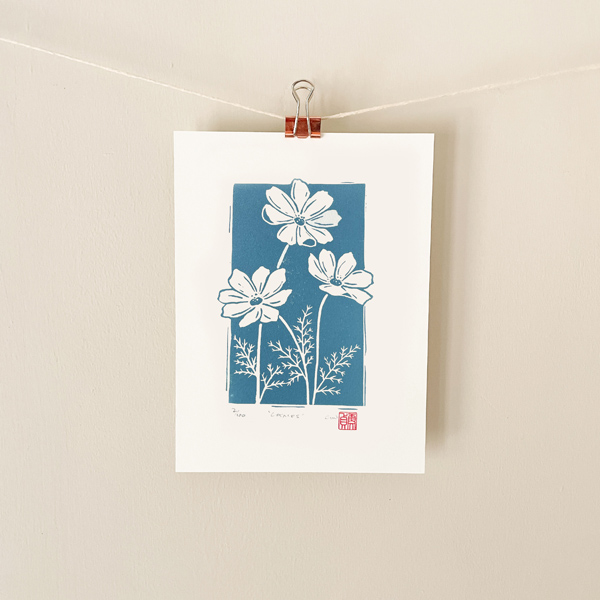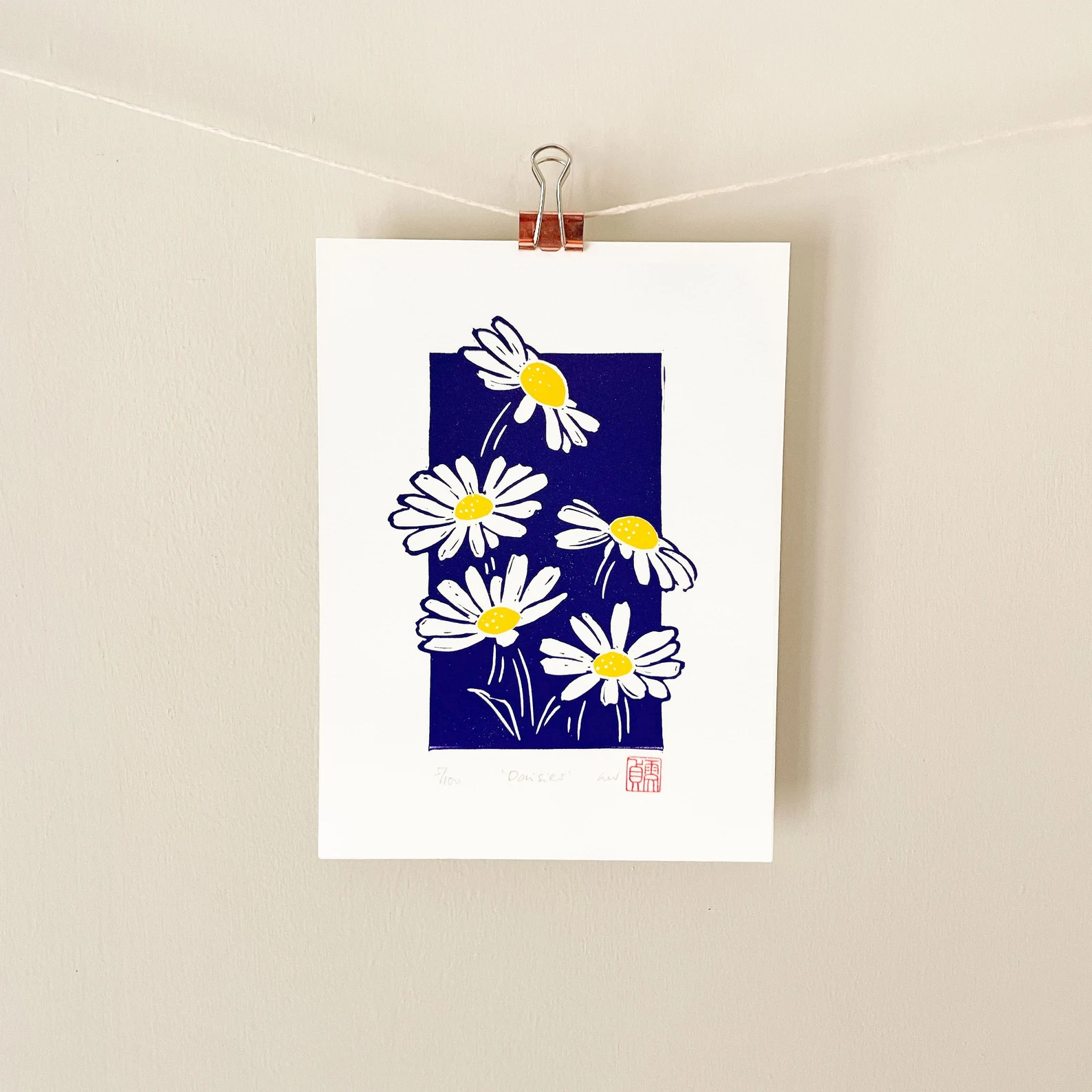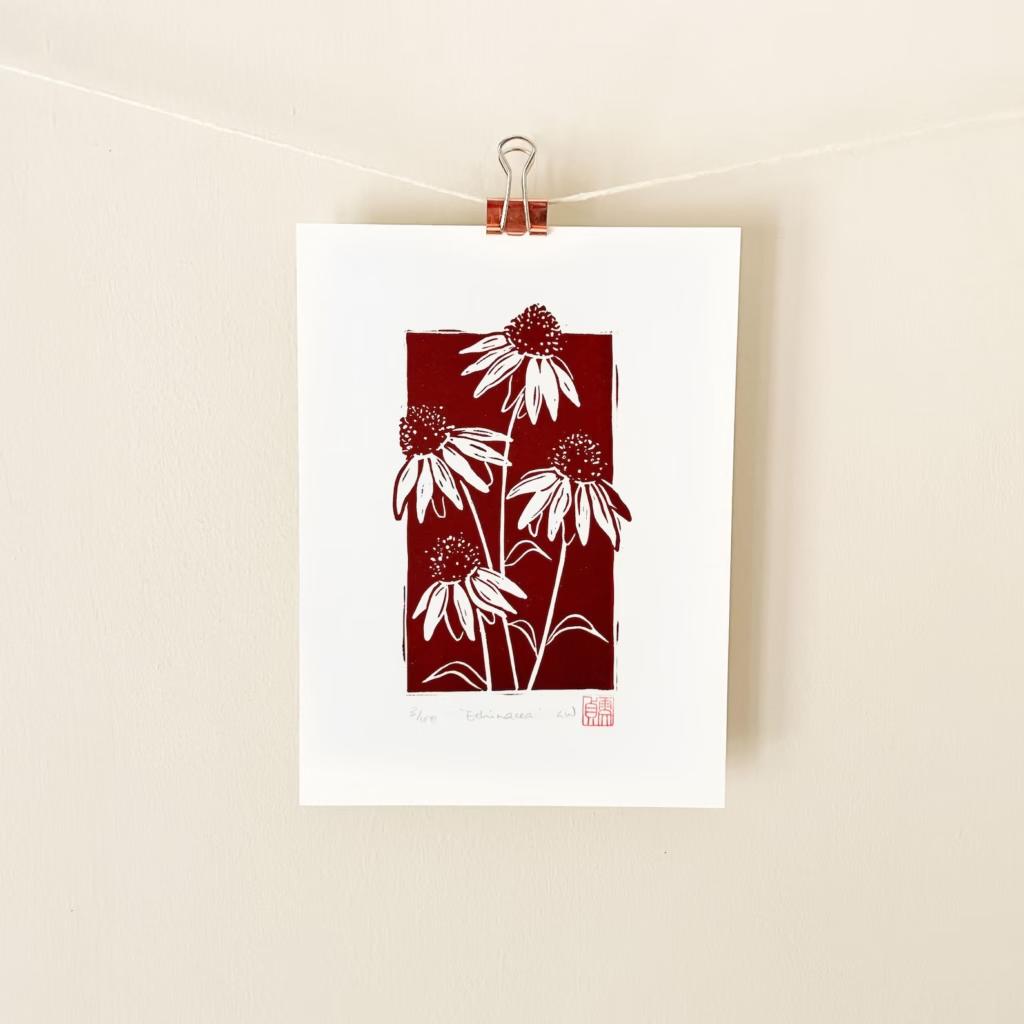
Where My Designs Come From: Finding Inspiration in Nature
People sometimes imagine I sit down with a grand plan for each print. The truth is a lot less tidy. Most of my designs start with something small and ordinary that happened to catch my eye — a seed head, the shape of a particular leaf, a plant leaning over a wall on an everyday walk. I’m Grace, a linocut printmaker in Sheffield, and nearly everything I make comes from the natural world close to home. Here’s a bit about where the ideas actually come from.
I look for the small things, not the grand views
I’m not the sort of artist chasing dramatic landscapes or big skies. What tends to stop me is far more everyday: the structure of a teasel, the way petals overlap, a cluster of berries in a hedgerow. Sheffield is surrounded by green — parks, gardens, woodland edges, the Peak District just up the road — but honestly, some of my favourite starting points are things most people walk straight past.
I think that comes from years of paying attention to detail. Before printmaking I worked with architecture, sewing and photography, and all three trained me to notice line, shape and composition. So when I look at a plant, I’m half seeing the plant and half seeing the print it could become — where the bold shapes are, where the contrast falls, what I’d keep and what I’d leave out.
Why botanicals keep pulling me back
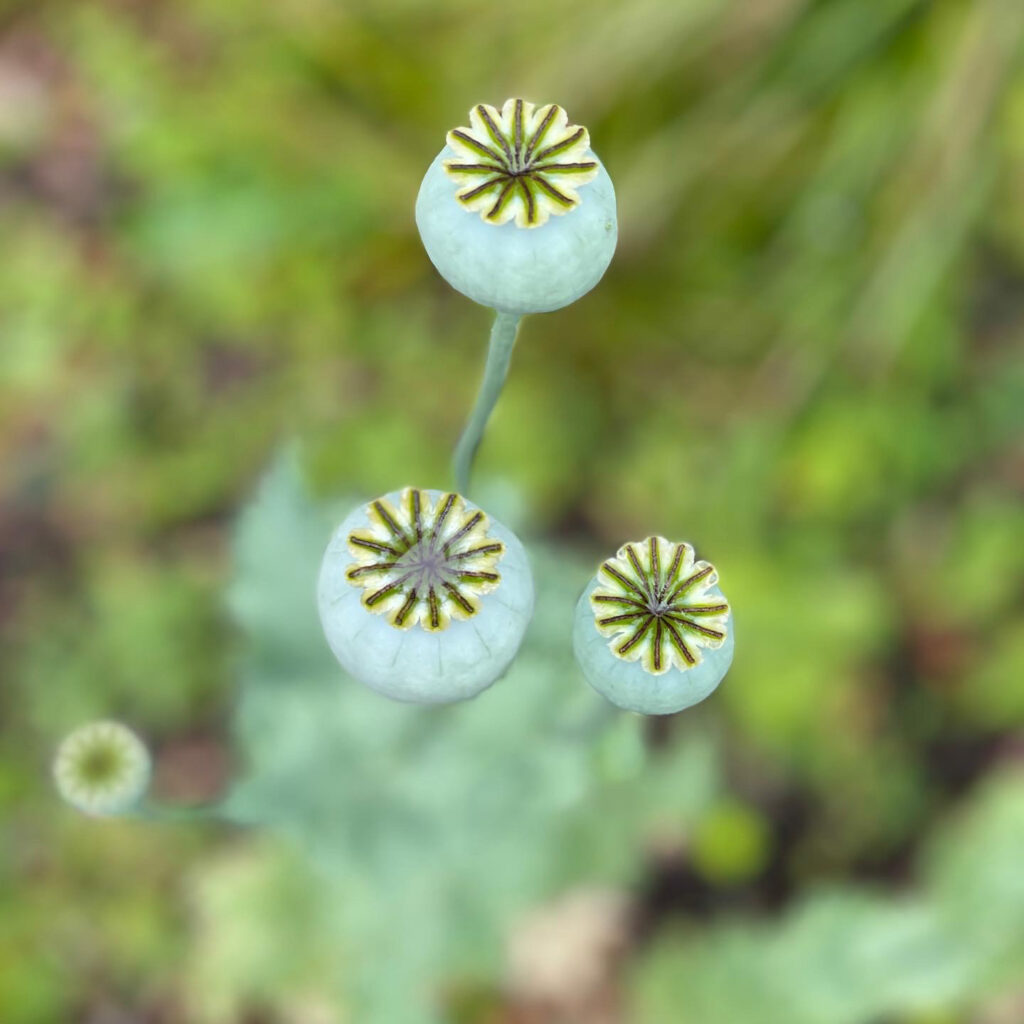
Flowers and plants suit linocut beautifully, which is a big part of why I keep returning to them. A stem, a leaf, a seed head — these are strong, graphic shapes to begin with, and they translate really well into the clean lines and bold contrast that define my work.
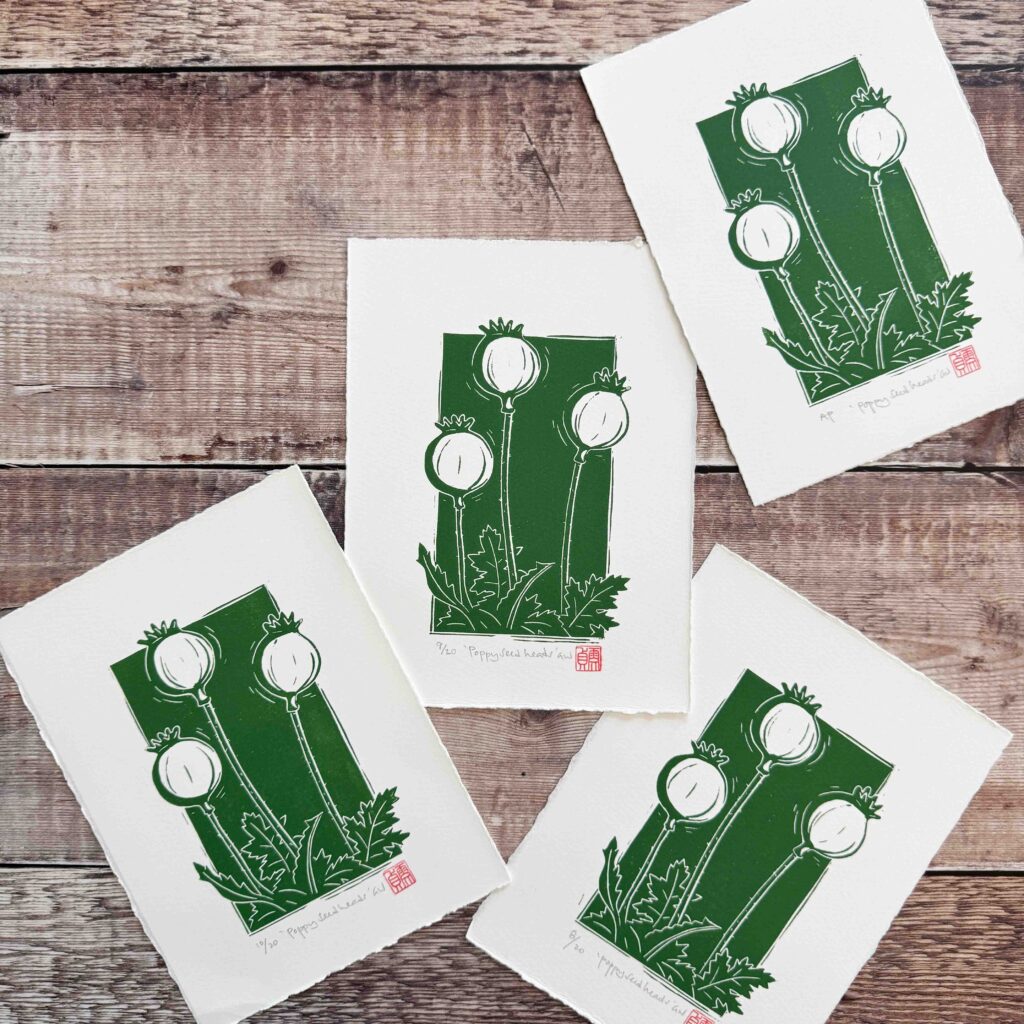
There’s also endless variety. Even a single plant gives me dozens of directions: the tight spiral of a fern unfurling, the papery texture of a poppy, the neat symmetry of lily of the valley. Some designs come from plants I’ve grown myself; others from something spotted on a walk that I couldn’t stop thinking about. I could carve botanicals for years and never run out of ideas — and I probably will.
Bringing in the wildlife
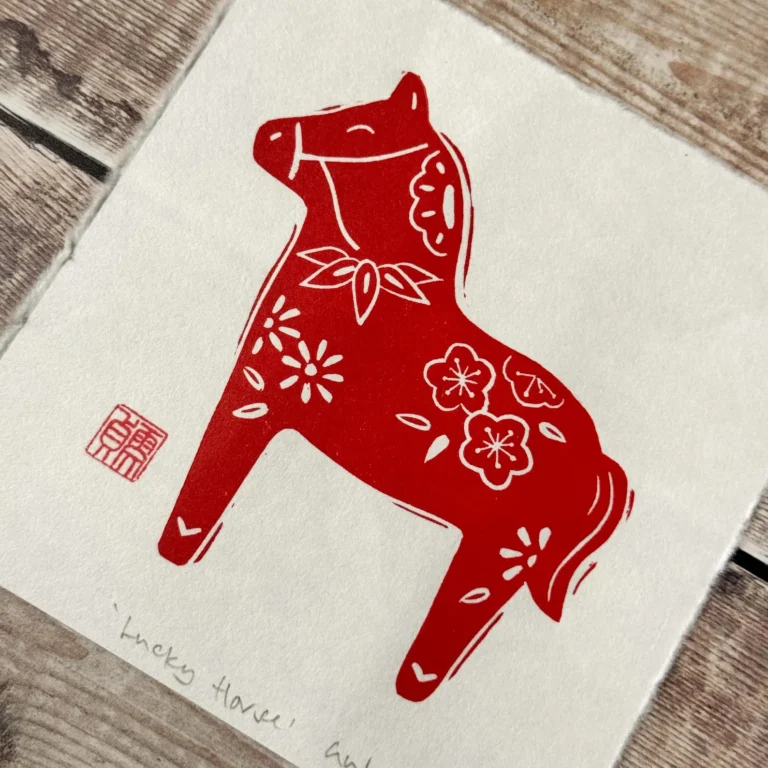
Alongside the botanical prints, I love drawing in the animals and birds that share those same spaces. A hedgehog, a horse, a badger and a garden bird — there’s real character in wildlife, and the challenge is capturing that character in simple, confident shapes rather than lots of fussy detail.
That restraint is the fun part. Linocut doesn’t let you hide behind fine shading, so I have to work out what actually makes each animal feel instantly recognisable, and get it across with as few marks as possible. When it works, a pared-back print can feel more alive than a heavily detailed one — and pairing wildlife with the plants around it often tells a fuller little story.
Following the seasons
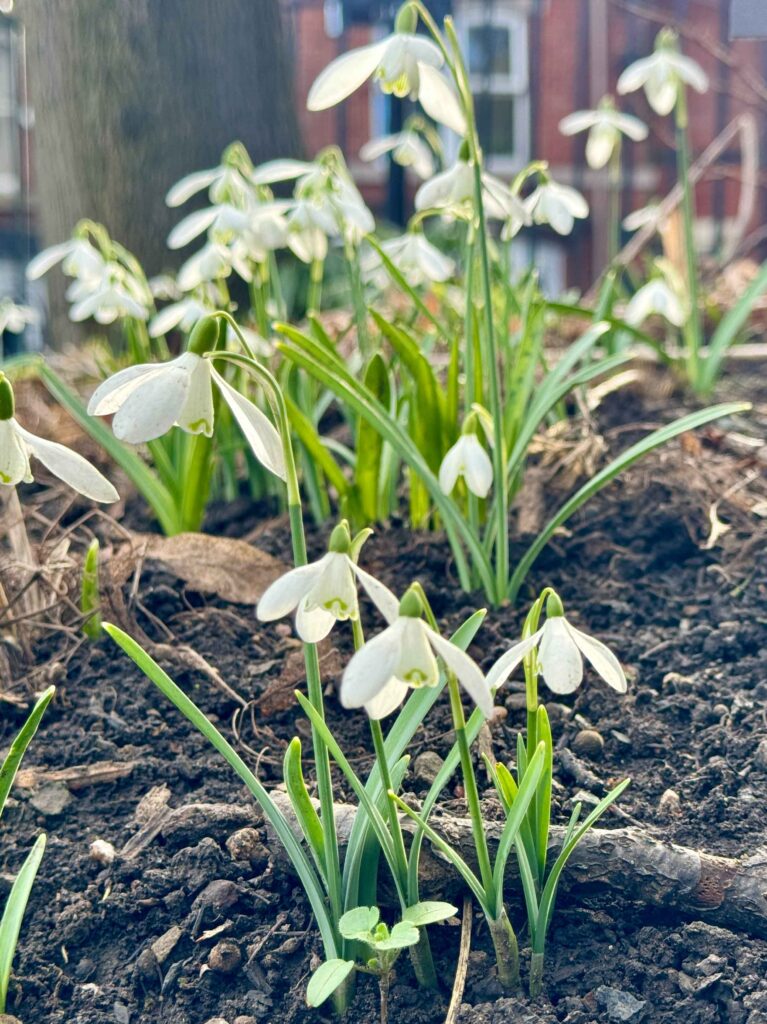
A lot of what I make is quietly tied to the time of year. Snowdrops and early bulbs in late winter, blossom and fresh growth in spring, seed heads and berries as things start to fade. I don’t plan it too rigidly, but whatever’s growing around me naturally shapes what I feel like carving next.
I like that this keeps the work honest. Rather than inventing an idealised flower, I’m usually responding to something I’ve genuinely seen recently — which, I hope, is part of why the finished prints feel grounded rather than generic. It also means the collection shifts gently through the year, a bit like the seasons themselves.
From a passing glance to a finished block
Not every idea survives, and that’s fine. I collect far more references than I ever use — photos, quick sketches, the odd interesting leaf — and most never make it to the lino. The ones that do are usually the shapes I can’t stop thinking about: designs with a clear silhouette and a bit of quiet personality.
From there it’s a slow process of simplifying, testing and carving, until the print holds only what it needs and nothing more. That, really, is the heart of how I work — starting with something real from the natural world, then gradually stripping it back until it’s bold enough to stand on its own.
If any of that resonates, you’ll find where these ideas end up over in the shop — a growing collection of botanical and wildlife linocut prints, each one traced back to something small and green that first caught my eye.
Come and say hello
If you’ve read this far, thank you — it genuinely means a lot that you’re curious about how these prints come together. I share new designs, works in progress and the occasional finished piece over on Instagram @gracewong_art, and I always enjoy hearing which plants or animals you’d like to see next. Part of the joy of working this way is knowing the prints end up somewhere they’re wanted — so please do say hello, whether that’s here, in the shop, or in person at a market or gallery with the work right in front of you.
That closes on a warm, personal note without repeating the shop CTA above it, and the market/gallery mention ties in naturally with the Events category you’re setting up. Kept it to Grace’s real footing — no claims about customer suggestions shaping designs, just an open invitation.